
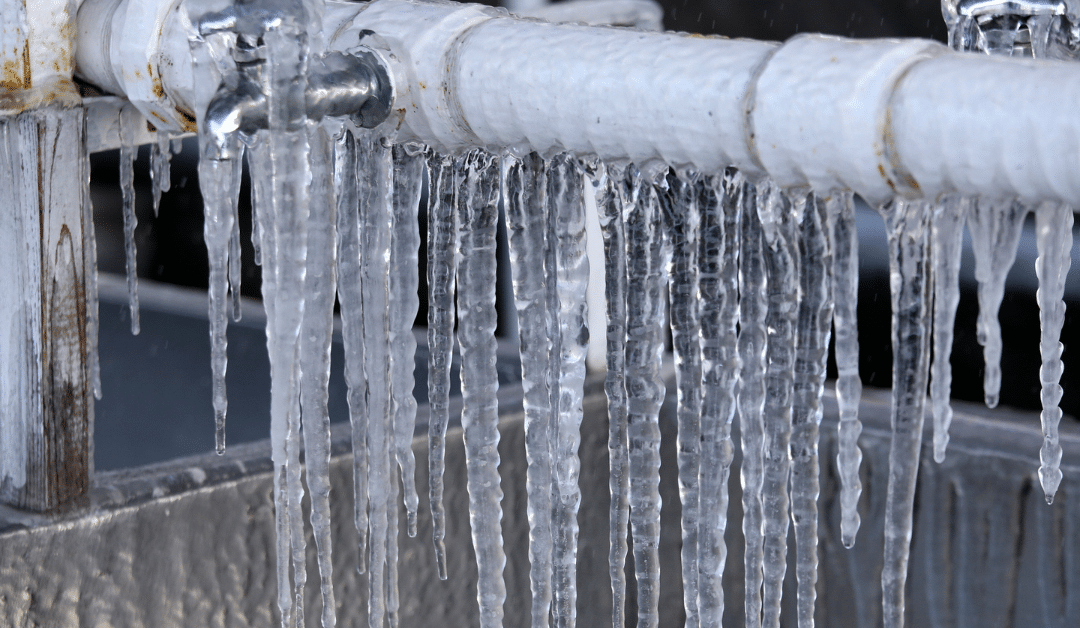
Winter can be especially hard on plumbing systems, and one of the most vulnerable areas in many homes is water heater piping. As temperatures drop, exposed or poorly protected pipes near the water heater are at increased risk of freezing. When that happens, pressure builds inside the line, often leading to cracks, bursts, or sudden leaks once the pipe thaws. Preventing frozen water heater piping during winter is not just about comfort. It is about protecting your home, your water heater, and your budget!
Why Water Heater Piping Is Vulnerable in Winter
Water heater piping often runs through basements, garages, utility rooms, crawlspaces, or exterior walls. These areas are frequently colder than the rest of the home, especially during prolonged cold snaps. Even though the water heater itself produces heat, the surrounding pipes may not receive enough warmth to stay above freezing.
Water heater piping is also exposed to temperature fluctuations. Pipes may be warm while hot water is in use, then cool rapidly when the heater cycles off or when water sits unused for long periods. This repeated warming and cooling makes pipes more susceptible to freezing, particularly overnight or during extreme weather.
Preventing frozen water heater piping during winter requires understanding how these temperature changes affect the system as a whole.
What Happens When Water Heater Piping Freezes
When water inside a pipe freezes, it expands. That expansion puts intense pressure on the pipe walls and joints. Pipes usually do not burst at the frozen section itself. They often crack at a weaker point nearby, such as a fitting, elbow, or connection.
Once temperatures rise and the ice thaws, water flows again and escapes through the damaged area. This can result in flooding, water heater shutdown, damage to flooring or walls, and expensive emergency repairs. In some cases, homeowners do not realize a pipe has burst until significant damage has already occurred.
Preventing frozen water heater piping during winter is far easier and far less expensive than dealing with the aftermath of a burst pipe.
Common Risk Factors for Frozen Water Heater Piping
Certain conditions increase the likelihood that water heater piping will freeze during the winter months. Homes with water heaters located in unheated basements, garages, or crawlspaces are at higher risk. Poor insulation around exposed pipes also contributes to freezing, especially when cold air circulates freely around the system.
Long periods of low water usage can allow water to sit in pipes and cool completely. Vacant homes, overnight temperature drops, or extended travel during winter often create ideal conditions for freezing. Older homes or systems with aging piping materials may also be more vulnerable due to weakened joints or outdated installation practices.
Being aware of these risk factors is an important step in preventing frozen water heater piping during winter.
The Role of Proper Installation and Pipe Routing
The way water heater piping is installed has a significant impact on how well it performs in cold weather. Pipes that are routed along exterior walls or through unconditioned spaces without protection are more likely to freeze. Poorly supported piping can also shift slightly over time, exposing sections to cold air that were previously shielded.
Professional plumbing installation takes winter conditions into account. Proper pipe routing minimizes exposure to cold areas and ensures that pipes are positioned where ambient warmth from the home can help maintain safe temperatures. Secure supports and thoughtful layout reduce stress on joints and help prevent gaps where cold air can settle.
Preventing frozen water heater piping during winter often starts with ensuring the system was installed with long term seasonal performance in mind.
Insulation and Heat Retention
One of the most effective ways to protect water heater piping during winter is through proper insulation. Insulation slows heat loss from the pipes, helping them retain warmth even when surrounding air temperatures drop.
Pipes near the water heater benefit most from insulation, as they experience frequent temperature changes. Insulation also helps maintain hot water temperature as it travels through the system, improving efficiency and reducing strain on the water heater.
In cold climates, insulation should be installed consistently along exposed piping, not just in isolated sections. Gaps or compressed insulation can create weak points where freezing begins. Preventing frozen water heater piping during winter depends on comprehensive, professionally installed insulation solutions.
How Cold Weather Impacts Water Pressure and Flow
Winter conditions can affect water pressure throughout the plumbing system. As pipes contract in cold temperatures, internal diameters may narrow slightly. Combined with partial freezing or ice buildup, this can reduce flow and increase pressure in certain sections of the system.
Increased pressure places added stress on water heater piping and fittings. This stress can worsen existing weaknesses and increase the risk of cracks or leaks. Monitoring pressure changes during winter is an important part of protecting the plumbing system as a whole.
Preventing frozen water heater piping during winter also means addressing pressure regulation and ensuring the system can handle seasonal changes safely.
Signs That Water Heater Piping May Be Freezing
Early warning signs can help homeowners act before serious damage occurs. Reduced hot water flow, especially at fixtures closest to the water heater, may indicate ice forming in the piping. Unusual noises such as knocking, popping, or creaking near the water heater can also signal expanding or contracting pipes.
In some cases, visible frost or condensation may appear on exposed piping. While condensation alone does not mean freezing, it does indicate temperature differences that could lead to freezing if conditions worsen. If you notice any of these signs, a professional evaluation is recommended immediately.
Recognizing these symptoms early supports preventing frozen water heater piping during winter and minimizes the risk of pipe failure.
Why Professional Prevention Matters
While many homeowners focus on short term fixes, long term prevention requires professional insight. Licensed plumbers understand how local climate, building design, and plumbing materials interact during winter months. A professional assessment can identify vulnerable sections of piping that may not be obvious.
Professional services may include evaluating insulation coverage, checking pipe routing, confirming proper pressure regulation, and identifying areas where heat loss is most likely. These steps provide peace of mind and reduce the likelihood of emergency calls during the coldest days of the year.
Preventing frozen water heater piping during winter is most effective when handled proactively rather than reactively.
Preparing Water Heater Piping Before Severe Cold Arrives
Winter preparation should ideally happen before temperatures reach their lowest point. Early evaluation allows time for adjustments and upgrades without the pressure of an active emergency.
Key areas professionals often review include pipe exposure near exterior walls, insulation quality, air drafts in utility spaces, and the overall condition of piping materials. Addressing these areas early ensures the system is ready for extended cold weather.
Homes that have experienced frozen pipes in the past should take extra precautions, as previous freezing often indicates underlying vulnerabilities.
Long-Term Benefits of Winter Pipe Protection
Protecting water heater piping during winter provides benefits beyond freeze prevention. Proper insulation and routing improve energy efficiency by reducing heat loss. This can lower energy bills and extend the lifespan of the water heater by reducing unnecessary cycling.
Well-protected piping also reduces wear on joints and fittings, lowering the likelihood of leaks over time. These long term benefits make winter protection an investment rather than an expense.
Preventing frozen water heater piping during winter supports both immediate safety and long term system reliability.
When to Call Capital Plumbing
If your water heater piping is located in a cold or unheated area, or if you have concerns about winter performance, professional help is recommended. Here at Capital Plumbing, we can assess your system, identify risk factors, and recommend solutions tailored to your home.
Contact us at Capital Plumbing if you notice reduced water flow, visible frost on pipes, unusual noises near the water heater, or if your home has a history of frozen plumbing. Proactive service can prevent costly damage and provide confidence throughout the winter season.
Our team understands how winter conditions affect plumbing systems and takes a thorough, preventative approach to protecting water heater piping.
Seasonal Changes
Winter places unique demands on plumbing systems, and water heater piping is one of the most at risk components. Cold temperatures, poor insulation, and unfavorable pipe placement can quickly lead to freezing, leaks, and water damage if left unaddressed.
Preventing frozen water heater piping during winter requires awareness, preparation, and professional support. By understanding how freezing occurs and addressing vulnerabilities early, homeowners can avoid emergencies and keep their plumbing system running safely all season long.
Ready to schedule service or ask a question? Reach out to us at Capital Plumbing!
Stay up to date with Capital Plumbing by following us on Facebook.