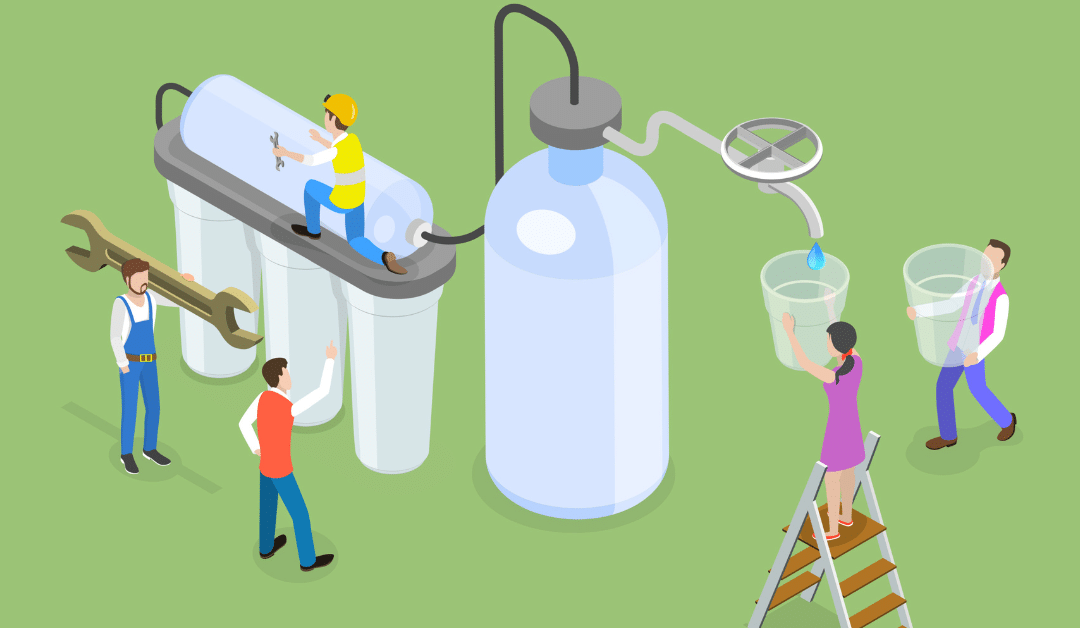
Water softeners play an important role in protecting your plumbing system from hard water damage. By removing minerals like calcium and magnesium, they help prevent scale buildup, extend the life of appliances, and improve water quality throughout your home. However, even a well-functioning system can run into issues if the water softener piping is not properly installed or maintained.
Problems with water softener piping can affect everything from water pressure to system performance. Understanding the most common issues and how they are addressed helps homeowners recognize warning signs early and avoid more serious plumbing concerns.
Why Water Softener Piping Matters
Water softeners rely on a network of pipes to connect to your main water supply, distribute treated water, and discharge wastewater during regeneration cycles. If the water softener piping is compromised in any way, the system may not function as intended.
Improper piping can lead to leaks, reduced efficiency, pressure fluctuations, or even contamination of untreated water. Because the softener is directly integrated into your home’s plumbing system, any issue with the piping can affect multiple fixtures at once.
Ensuring that water softener piping is installed and maintained correctly is essential for long-term performance.
1. Leaks at Pipe Connections
One of the most common problems homeowners encounter is leaking at pipe joints and fittings. These leaks often develop slowly and may not be immediately noticeable.
Leaks can occur due to loose fittings, worn seals, or improper installation. Over time, even a small leak can lead to water damage around the softener and nearby structures. Moisture buildup may also contribute to corrosion or mold growth in the surrounding area.
Professional service typically involves identifying the source of the leak, tightening or replacing fittings, and ensuring all connections are properly sealed. Addressing leaks early prevents further damage and restores the integrity of the water softener piping system.
2. Reduced Water Pressure
A drop in water pressure is another common issue related to water softener piping. When pipes become partially blocked or restricted, water cannot flow as freely through the system.
Mineral buildup, debris, or improper pipe sizing can all contribute to reduced pressure. In some cases, incorrect installation may create bottlenecks that limit flow.
Resolving this issue often requires a thorough inspection to determine whether the restriction is within the piping, the softener unit, or the main supply line. Clearing obstructions or adjusting the piping layout can restore normal pressure and improve overall performance.
3. Incorrect Pipe Routing or Layout
The layout of water softener piping plays a significant role in how efficiently the system operates. Poor routing can lead to unnecessary bends, long pipe runs, or exposure to cold areas.
Improper layout may also affect the system’s ability to regenerate correctly or distribute softened water evenly throughout the home. In some cases, untreated water may bypass the system entirely due to incorrect connections.
Correcting routing issues often involves reconfiguring sections of the piping to improve flow and ensure proper integration with the home’s plumbing system. A well-designed layout supports both efficiency and reliability.
4. Drain Line Problems
Water softeners require a drain line to remove wastewater during regeneration cycles. If this part of the water softener piping is not installed correctly, it can lead to several issues.
Common problems include slow drainage, clogs, or improper discharge. A blocked or poorly positioned drain line can cause water to back up into the system, affecting performance and potentially causing leaks.
Professional solutions typically involve clearing the drain line, adjusting its placement, or ensuring it meets local plumbing code requirements. Proper drainage is essential for the system to function correctly.
5. Air Gaps and Backflow Issues
Water softener systems must be designed to prevent backflow, which can contaminate the home’s water supply. Air gaps and backflow prevention devices are important components of safe water softener piping.
If these elements are missing or improperly installed, there is a risk of wastewater re-entering the clean water supply. This is not only a performance issue but also a health concern.
A professional plumber will verify that all backflow prevention measures are in place and functioning correctly. Ensuring proper separation between clean and wastewater lines is critical for safety.
6. Corrosion and Aging Materials
Over time, pipes and fittings can deteriorate due to age, water quality, and environmental conditions. Corrosion is especially common in older systems or in areas with high mineral content.
Corroded water softener piping may develop leaks, discoloration, or weakened structural integrity. These issues can reduce system efficiency and increase the likelihood of failure.
Replacing damaged sections with modern materials such as PEX or properly treated copper helps restore reliability and extend the lifespan of the system.
7. Improper Pipe Sizing
Pipe size directly affects how water flows through the system. If the water softener piping is undersized, it can restrict flow and reduce pressure. Oversized pipes may lead to inefficiencies and inconsistent performance.
Incorrect sizing often results from installation shortcuts or lack of proper planning. Over time, homeowners may notice uneven water distribution or reduced effectiveness of the softener.
Correcting pipe sizing involves evaluating the home’s water demand and adjusting the system accordingly. Proper sizing ensures consistent flow and optimal performance.
8. Noise and Vibration in Pipes
Unusual noises such as rattling or vibration can indicate problems within the piping system. These sounds often result from loose supports, pressure fluctuations, or improper installation.
Noise is not just a nuisance. It can signal stress within the pipes that may lead to leaks or damage if left unaddressed.
Professional adjustments, including securing pipes and balancing pressure, can eliminate noise and protect the system from further wear.
9. Bypass Valve Issues
Water softeners include bypass valves that allow water to flow around the system when needed. Problems with these valves can affect how water moves through the piping.
If the valve is not functioning correctly, untreated water may enter the home or pressure may become inconsistent. This can reduce the effectiveness of the system and create confusion about water quality.
Repairing or replacing faulty bypass components ensures that water flows through the system as intended.
10. Freezing Risks in Cold Areas
In colder climates, water softener piping located in unheated areas is at risk of freezing. Frozen pipes can crack or burst, leading to significant water damage when they thaw.
Preventing freezing involves proper pipe placement, insulation, and system design. A professional evaluation can identify vulnerable areas and recommend solutions to protect the system during winter.
Addressing freezing risks early helps avoid emergency repairs and protects the home.
How Professional Solutions Address These Problems
Professional plumbers take a comprehensive approach to diagnosing and resolving piping issues. Rather than focusing on a single symptom, they evaluate the entire system to identify underlying causes.
This process may include inspecting connections, testing water pressure, checking for blockages, and verifying proper installation. Solutions are designed to restore performance while preventing future problems.
Working with experienced professionals ensures that water softener piping is not only repaired but optimized for long-term reliability.
The Importance of Ongoing Maintenance
Regular maintenance plays a key role in preventing problems with water softener piping. Periodic inspections can identify wear, buildup, or minor issues before they become serious.
Maintenance also helps ensure that the system continues to operate efficiently. Clean piping, secure connections, and proper drainage all contribute to consistent performance.
Investing in routine service reduces the likelihood of unexpected repairs and extends the life of the system.
When to Call Capital Plumbing
If you notice leaks, reduced pressure, unusual noises, or inconsistent water quality, it may be time to have your system evaluated. These signs often indicate underlying issues with water softener piping that require professional attention.
Capital Plumbing provides expert inspection, repair, and installation services to ensure your system operates efficiently and safely. Our team can identify problem areas, recommend effective solutions, and restore your plumbing system to optimal condition.
Quality and Condition
Water softeners are valuable systems, but their performance depends heavily on the quality and condition of the piping that supports them. From leaks and pressure issues to improper installation and aging materials, problems with water softener piping can affect your entire home.
Understanding these common issues and addressing them promptly helps protect your plumbing system and maintain water quality. Professional service ensures that your system remains reliable and efficient for years to come.
Ready to schedule service or ask a question? Reach out to us at Capital Plumbing!
Stay up to date with Capital Plumbing by following us on Facebook.