
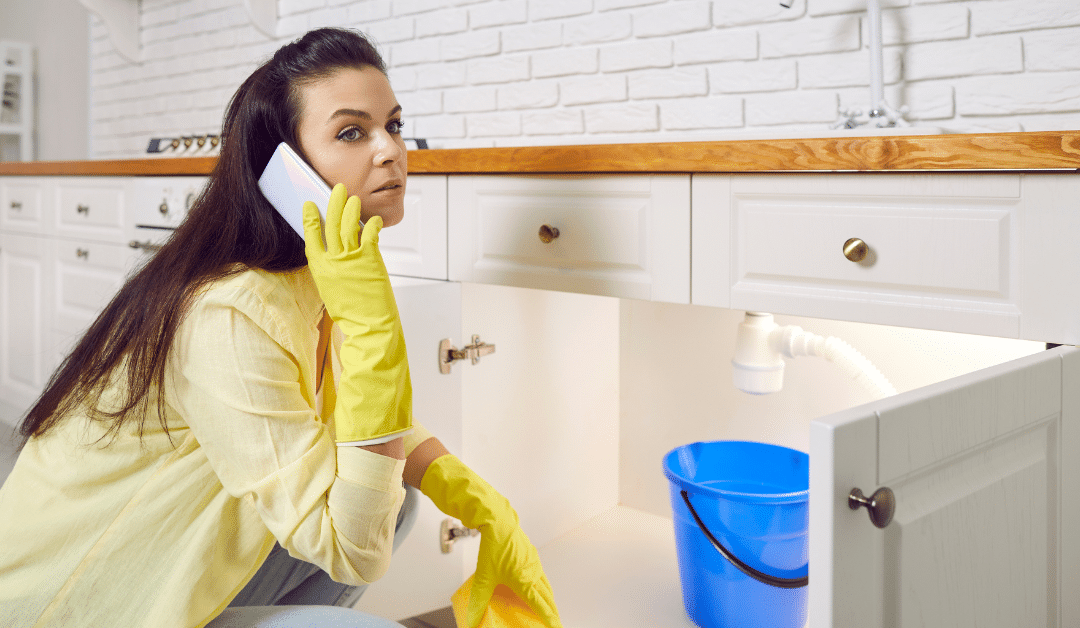
A leaking kitchen sink is more than just an inconvenience. What starts as a small drip can quickly turn into a bigger issue that affects your cabinets, countertops, and overall plumbing system. Many homeowners assume a quick fix will solve the problem, but in many cases, the better long-term solution is to replace kitchen faucet rather than continue dealing with recurring issues.
Understanding the causes of leaks and knowing when replacement is the right choice can save time, money, and frustration. This guide will walk through why sinks leak, what those leaks indicate, and when it makes sense to replace kitchen faucet instead of continuing with temporary fixes.
Why Kitchen Sink Leaks Should Not Be Ignored
A leaking sink often seems harmless at first. A few drops of water under the cabinet or around the base of the faucet may not feel urgent, but over time, that moisture builds up. Water can soak into wood, weaken cabinet structures, and create an environment where mold and mildew develop.
Leaks can also signal internal wear that will continue to worsen. Waiting too long to replace kitchen faucet may allow damage to spread beyond the fixture itself, increasing repair costs and potentially requiring additional plumbing work.
Addressing the problem early helps protect both your home and your plumbing system.
Common Causes of Kitchen Faucet Leaks
Kitchen faucet leaks can develop for several reasons, and identifying the cause is key to determining the best solution. One of the most common causes is worn internal components. Cartridges, seals, and O-rings degrade over time, especially with frequent daily use.
Mineral buildup from hard water can also interfere with the faucet’s internal operation. As deposits accumulate, they prevent parts from sealing properly, leading to drips or inconsistent water flow. Corrosion is another factor, particularly in older fixtures, where metal components begin to break down.
In many cases, these issues can be repaired temporarily. However, when multiple components are worn or the fixture is aging, it is often more practical to replace kitchen faucet entirely.
Leaks Around the Base of the Faucet
One of the most noticeable signs that it may be time to replace kitchen faucet is water collecting around the base of the fixture. This type of leak usually indicates that seals beneath the faucet are failing.
Water that seeps under the base can go unnoticed until it begins damaging the countertop or the cabinet below. Over time, this moisture can cause swelling, discoloration, and structural weakening.
While resealing may provide a short-term fix, recurring leaks at the base often point to deeper wear. In these situations, replacing the faucet ensures the problem is fully resolved.
Dripping From the Spout
A dripping spout is a classic sign of faucet wear. Even when the handle is turned off completely, water continues to escape due to internal components that no longer seal properly.
Although replacing individual parts may stop the drip temporarily, repeated issues suggest that the faucet is nearing the end of its lifespan. Choosing to replace kitchen faucet at this stage can eliminate ongoing frustration and improve water efficiency.
A single dripping faucet can waste a surprising amount of water over time, making replacement both a practical and cost-effective decision.
Leaks Under the Sink
Not all leaks are visible from above. Water pooling under the sink may originate from connections within the faucet assembly or from supply lines attached to it.
If you notice moisture, water stains, or a musty smell inside your cabinet, it is important to investigate the source. When the leak is tied to the faucet itself, it may be time to replace kitchen faucet rather than continue tightening connections or replacing individual parts.
Hidden leaks can cause significant damage if left unaddressed, making early action essential.
Low Water Pressure Alongside Leaks
Leaks are often accompanied by changes in water pressure. If your kitchen faucet produces weak or inconsistent flow while also leaking, it may indicate internal blockages or worn components.
Mineral buildup and corrosion can restrict water flow while also preventing proper sealing. When these issues occur together, repair may not fully restore performance.
In these cases, choosing to replace kitchen faucet improves both pressure and reliability, providing a more consistent experience at the sink.
Rust, Corrosion, and Visible Wear
Over time, kitchen faucets are exposed to constant moisture, which can lead to visible wear. Rust, discoloration, and corrosion are clear signs that the fixture is deteriorating.
Corrosion does more than affect appearance. It weakens internal components and increases the likelihood of leaks. Once corrosion begins to spread, it is often more effective to replace kitchen faucet rather than attempt ongoing repairs.
A new fixture not only resolves the issue but also improves the look and functionality of your kitchen.
Repeated Repairs That Do Not Last
If you find yourself dealing with the same faucet issue repeatedly, it is a strong indicator that a more permanent solution is needed. Temporary fixes may address symptoms but do not always resolve the underlying problem.
Repeated repairs can add up over time, both in cost and inconvenience. Instead of continuing to fix the same issue, many homeowners choose to replace kitchen faucet to achieve long-term reliability.
A replacement eliminates recurring problems and reduces the need for ongoing maintenance.
Outdated or Inefficient Fixtures
Older kitchen faucets may still function, but they often lack the efficiency and performance of newer models. They may use more water, provide inconsistent pressure, or fail to meet modern design standards.
When leaks occur in an outdated fixture, replacement becomes an opportunity to upgrade. Choosing to replace kitchen faucet allows homeowners to improve water efficiency, enhance usability, and modernize the kitchen space.
Newer faucets are designed with durability and convenience in mind, making them a worthwhile investment.
When Replacement Is the Better Choice
Not every leak requires full replacement, but certain conditions make it the more practical option. If the faucet is older, shows signs of corrosion, or has multiple failing components, replacement is usually the most reliable solution.
When deciding whether to repair or replace kitchen faucet, consider the frequency of issues, the age of the fixture, and the overall performance. A professional plumber can evaluate the situation and recommend the best course of action.
Replacing the faucet at the right time prevents further damage and ensures consistent performance.
The Benefits of Professional Faucet Replacement
Professional installation ensures that your new faucet is properly fitted, sealed, and connected. It also reduces the risk of leaks, improper alignment, or damage to surrounding components.
When you replace kitchen faucet with the help of a licensed plumber, you gain confidence that the job is done correctly. Professionals also check related components, such as supply lines and shutoff valves, to ensure the entire system is functioning properly.
This attention to detail helps prevent future issues and extends the lifespan of your plumbing system.
Protecting Your Kitchen From Future Leaks
Once a new faucet is installed, simple habits can help maintain its performance. Keeping the fixture clean, monitoring for early signs of wear, and addressing minor issues promptly can extend its lifespan.
Regular inspections and professional maintenance can also help identify potential concerns before they develop into larger problems.
By staying proactive, homeowners can avoid unexpected repairs and keep their kitchen plumbing in top condition.
Addressing the Root Cause
A leaking sink is often a sign that something within the faucet is wearing out. While small repairs may offer temporary relief, they do not always address the root cause. Knowing when to replace kitchen faucet helps prevent water damage, reduce frustration, and improve overall performance.
If you are dealing with a leaking sink or recurring faucet issues, it may be time to consider replacement. Capital Plumbing can evaluate your system, recommend the best solution, and ensure your new faucet is installed correctly.
Ready to schedule service or ask a question? Reach out to us at Capital Plumbing!
Stay up to date with Capital Plumbing by following us on Facebook.