Buying a new home is exciting, especially for first-time homeowners! We also understand that at times, it can be a bit overwhelming. Between inspections, paperwork, and move-in planning, it is easy to assume that everything behind the walls is perfect, especially the plumbing. While new construction does come with modern materials and updated codes, new home plumbing still deserves close attention. Small oversights during installation or early use can lead to problems later if they are not caught early.
This new home plumbing checklist is designed to help first-time homeowners understand what to look for, what questions to ask, and what to monitor during the first months and years of ownership. Knowing how your plumbing system works and where potential issues may appear helps you protect your investment and avoid unnecessary stress.
Why New Home Plumbing Still Needs Attention
It is a common misconception that new homes are immune to plumbing problems. In reality, new home plumbing systems are installed by humans, often on tight schedules, and minor errors can happen. Additionally, materials settle, seals adjust, and homeowners begin using the system in ways that may differ from the original design assumptions.
New homes may also include cost-saving materials or simplified layouts that meet code but are not always optimized for long-term performance. Understanding your plumbing system early allows you to address small concerns before they become major repairs.
Understanding Your New Home Plumbing Layout
Before diving into specific checks, it helps to understand how new home plumbing is generally organized. Most modern homes use a combination of supply lines, drain lines, and venting systems designed to deliver clean water efficiently and remove wastewater safely.
Your plumbing system typically includes a main water shutoff, supply piping running to fixtures, drain and vent piping behind walls, a water heater, and shutoff valves at key fixtures. Knowing where these components are located is essential for both everyday use and emergencies.
Take time early on to familiarize yourself with the location of your main shutoff valve, water heater, and any access panels. This knowledge alone can prevent significant damage if a leak ever occurs.
Initial Walkthrough Plumbing Checks
During your final walkthrough or shortly after move-in, it is important to perform a thorough review of your new home plumbing. This is the best time to catch visible issues while warranties or builder coverage are still in effect.
Here are a few key areas to review carefully:
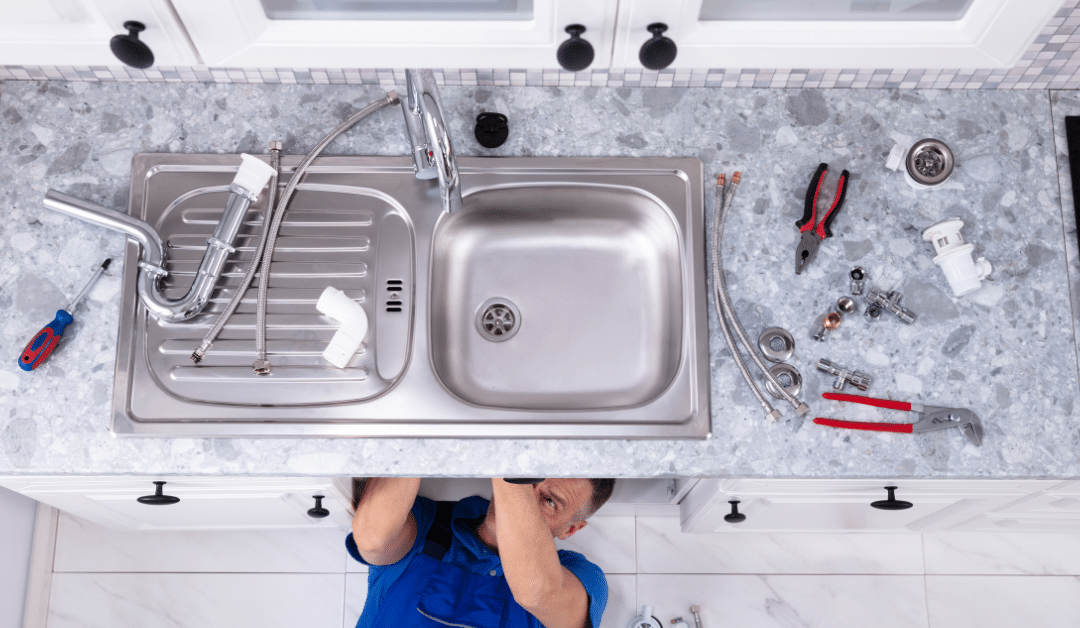
- Check under sinks for moisture, drips, or loose fittings
- Look around toilets for signs of leaks or movement
- Inspect exposed pipes near the water heater for moisture or corrosion
- Run each faucet individually and together to observe water pressure
While this list is short, it represents only a small portion of what should be evaluated over time. Many plumbing issues develop gradually, not immediately.
Water Pressure and Flow Testing
One of the most common concerns in new home plumbing is water pressure. Pressure that is too low can be frustrating, while pressure that is too high can damage fixtures and piping over time.
Test your home by running multiple fixtures at once, such as a shower, sink, and dishwasher. Pay attention to whether the pressure drops significantly or becomes inconsistent. Fluctuating pressure may indicate improper pipe sizing or balancing issues.
Consistent, moderate pressure throughout the home is a sign that the plumbing system was designed and installed correctly. If pressure feels unusually strong, it may be worth having a pressure regulator checked to protect your fixtures long-term.
Fixture Installation and Operation
Fixtures are the most visible part of new home plumbing, and they should operate smoothly from day one. Faucets should turn easily, deliver a steady flow, and shut off completely. Toilets should flush quietly and refill without running continuously.
If you notice dripping, wobbly handles, or slow drainage, these issues should be documented and addressed promptly. Even minor fixture issues can point to underlying installation problems that may worsen over time.
Bathtubs and showers deserve special attention. Test both hot and cold water, ensure temperature remains stable, and confirm that diverters switch cleanly between tub and shower functions.
Drainage and Venting Performance
Proper drainage is a key indicator of a healthy plumbing system. Slow drains, gurgling sounds, or bubbling water may suggest venting problems or partial obstructions.
In new home plumbing, venting issues can occur if pipes were installed incorrectly or if debris entered the system during construction. These problems may not show up immediately, but can become noticeable after regular use begins.
Flush toilets and run sinks while listening for unusual sounds. Drains should clear quickly and quietly. Any recurring noise or slow drainage should be evaluated by a professional before it leads to backups or odors.
Water Heater Setup and Operation
The water heater is one of the most important components of new home plumbing. Whether your home has a tank or tankless system, it should provide consistent hot water without unusual noises or leaks.
Check the area around the water heater for moisture and ensure the unit is properly supported and accessible. Pay attention to how long it takes for hot water to reach fixtures and whether the temperature remains steady.
It is also important to confirm that safety components, such as temperature and pressure relief valves and discharge piping, are properly installed. These features protect both the plumbing system and your home from dangerous pressure buildup.
Shutoff Valves and Accessibility
Every homeowner should know where shutoff valves are located and ensure they function properly. New home plumbing systems typically include individual shutoff valves at sinks, toilets, and appliances, in addition to a main shutoff.
Test these valves carefully to make sure they turn smoothly and fully stop water flow. Valves that are stuck or difficult to operate can become a serious problem during an emergency.
Accessibility is equally important. Valves and access panels should not be blocked by cabinetry, drywall, or storage. Clear access allows for quick response if a leak occurs.
Piping Materials and Visible Connections
While much of your new home plumbing is hidden behind walls, some piping will be visible near the water heater, under sinks, or in basements and utility rooms. Take note of the materials used and the quality of visible connections.
Pipes should be properly supported, free from sharp bends, and show no signs of stress or moisture. Connections should appear clean and secure. Any visible defects or inconsistencies should be documented and inspected.
Modern homes often use PEX piping, which is flexible and durable, but even PEX systems must be installed correctly to avoid future leaks.
Monitoring During the First Year
The first year of homeownership is critical for identifying plumbing issues. As the home settles and systems are used daily, small problems may surface that were not visible initially.
Pay attention to water bills, which can reveal hidden leaks. Monitor walls, ceilings, and flooring for unexplained moisture or stains. Listen for new sounds in pipes, especially during seasonal temperature changes.
New home plumbing systems should operate quietly and predictably. Any change in performance is worth investigating sooner rather than later.
Warranty Coverage and Documentation
Most new homes come with builder warranties that cover plumbing for a limited time. It is important to understand what is covered, for how long, and how to report issues properly.
Keep records of inspections, repairs, and communications related to plumbing concerns. If a problem arises, documentation can make the resolution process smoother and faster.
Even after warranties expire, having a professional evaluate your new home plumbing periodically helps maintain performance and catch wear early.
When to Call a Professional
While first-time homeowners can monitor their plumbing system, many issues require professional evaluation. You should contact a licensed plumber if you notice persistent leaks, inconsistent water pressure, recurring drainage issues, or signs of water damage.
Professional inspections provide peace of mind and ensure that your new home plumbing system continues to perform as intended. A trained plumber can identify issues that are not visible to the untrained eye and recommend preventive solutions.
Building Good Plumbing Habits Early
Developing good habits early helps extend the life of your plumbing system. Avoid flushing non-flushable items, be mindful of what goes down drains, and address minor issues promptly.
Simple awareness and routine checks go a long way in preserving new home plumbing and preventing unexpected repairs.
Understanding Your System
Owning a new home is an exciting milestone, and understanding your plumbing system is an important part of responsible ownership. This new home plumbing checklist gives first-time homeowners a clear starting point for evaluating their system, recognizing warning signs, and protecting their investment.
By staying informed, monitoring performance, and seeking professional help when needed, you can enjoy reliable plumbing for years to come.
Ready to schedule service or ask a question? Reach out to us at Capital Plumbing!
Stay up to date with Capital Plumbing by following us on Facebook.