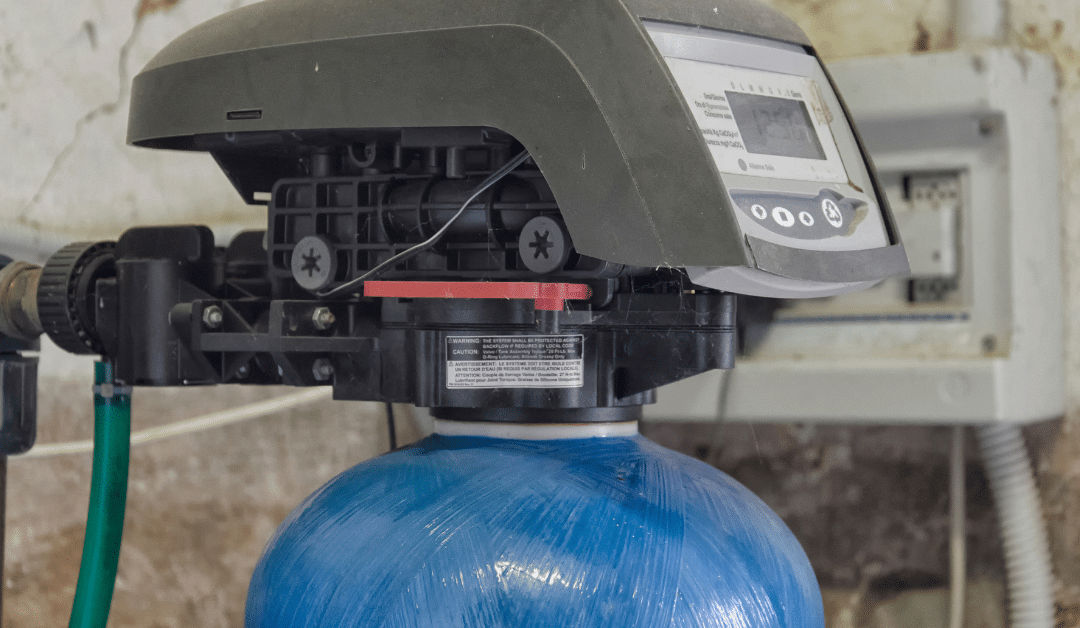
Your water softener works every day to reduce hard water minerals before they reach your faucets, fixtures, and appliances. But the unit cannot do the job alone. The pipes, valves, and connections around it also need to work properly.
Many homeowners focus on the softener tank and overlook the connected plumbing. When water softener piping develops a problem, you may notice changes throughout your home. Water pressure may drop. Leaks may appear near the unit. Hard water spots may return to clean dishes and fixtures.
These problems are not always easy to spot at first. A loose fitting or a small drip may seem minor. Over time, though, an unresolved issue can affect system performance or lead to water damage.
Knowing the warning signs can help you catch problems early. Below are seven signs that your water softener piping may need attention, along with what to watch for and when to call a plumber.
Why Water Softener Piping Matters
A water softener relies on more than its tank and control valve. The connected plumbing moves water into, through, and away from the system. Each part has a specific job.
- Supply piping brings untreated water into the softener.
- Outlet piping carries softened water into your home’s plumbing.
- Bypass valves allow water to flow around the unit when needed.
- The drain line carries wastewater away during regeneration, which is the system’s cleaning cycle.
If a pipe is damaged or a connection is installed incorrectly, the softener may not work as expected. A problem near the unit can also affect water flow to several fixtures at once.
That is why a complete inspection should include both the equipment and its piping. Checking only the tank may leave the actual cause of a problem unresolved.
1. Your Water Pressure Has Changed
A noticeable change in water pressure is one reason to check the plumbing around your softener. You may first notice it in the shower or while using a kitchen faucet.
Watch for changes such as:
- A shower that feels weaker than usual.
- Faucets that take longer to fill a sink or container.
- Reduced flow at several fixtures at the same time.
- A larger drop in flow when more than one fixture is running.
Restricted pipes, aging fittings, or installation problems can limit water flow. The issue may involve the water softener piping, the softener itself, or another part of your home’s plumbing.
A pressure change alone does not identify the cause. However, it gives a plumber a useful starting point. Checking the connections and valves near the softener can help narrow down the problem.
Do not assume weak water flow is simply part of owning an older home. An inspection can help determine what has changed and whether a repair is needed.
2. You Notice Leaks Around the System
Water around your softener deserves attention, even when the amount seems small. A slow drip can be easy to miss, especially if the unit sits in a basement, utility room, or other space you rarely visit.
Look closely at the area around:
- Pipe joints and fittings.
- Shutoff and bypass valves.
- Connections where piping enters or leaves the unit.
- The floor beneath and beside the softener.
Leaks can start as seals wear out or connections loosen. You might notice a wet fitting, a small puddle, or a damp patch that keeps returning.
Even a slow leak can damage nearby flooring, walls, or cabinets if it continues. Repeated moisture may also leave stains that help reveal where the problem started.
A plumber can check whether the leak comes from a fitting, valve, pipe, or part of the softener. Finding the source matters. Drying the floor may remove the visible water, but it will not stop the leak.
3. Hard Water Problems Are Returning
If your water softener has been working well, a return of hard water symptoms can be frustrating. You may notice the change while washing dishes, doing laundry, or cleaning the bathroom.
Common signs include:
- Cloudy spots on clean glasses and dishes.
- White mineral deposits around faucets and showerheads.
- Soap that does not lather as well as before.
- Laundry that feels stiff after washing.
- More buildup on sinks, tubs, and shower surfaces.
These symptoms can point to a softener problem, but the connected plumbing also deserves a check. A bypass valve or an incorrect connection may allow untreated water to reach your fixtures.
The symptoms alone do not prove that a pipe needs repair. A professional should check the softener, valve positions, and piping connections before recommending a solution.
Addressing the change early helps restore the water quality you expect. It also helps limit the continued mineral buildup that your softener is meant to reduce.
4. You Hear Unusual Noises
Your water softener may make some noise during its cleaning cycle. Water moving through the system does not always mean something is wrong. New, loud, or ongoing sounds deserve a closer look, though.
Pay attention to noises such as:
- Banging when water flow starts or stops.
- Rattling near the unit or connected pipes.
- Strong vibration during operation.
- Humming that is new or continues longer than usual.
Loose pipe supports, pressure changes, or air in the plumbing may contribute to unusual sounds. Pipes may also move against nearby framing or other plumbing parts.
Notice when the sound happens. Does it occur during regeneration? Does it start when someone turns on a faucet? Is it limited to the softener area, or can you hear it elsewhere?
These details can help a plumber investigate the cause. Unusual noise does not always mean a major repair is needed, but it should not be ignored when it keeps returning.
5. You See Corrosion or Signs of Wear
The softener may appear to work normally while its connected piping shows visible wear. Checking the area around the unit can help you spot changes before a connection fails.
Look for:
- Rust or corrosion on exposed metal parts.
- Discoloration around pipe joints.
- Mineral deposits near fittings or valves.
- Signs of moisture around worn connections.
- Visible damage to accessible piping.
These signs do not all mean the same thing. For example, deposits around a fitting may point to a slow leak, while corrosion may require a closer check of the affected part.
Older piping also deserves attention, but age alone does not tell you whether it needs replacement. Its condition, material, and history of problems all matter.
A plumber can explain whether a small repair is enough or whether part of the water softener piping should be replaced. That review helps you make a decision based on the actual condition of the plumbing.
6. Water Collects Near the Drain Line
During regeneration, your water softener flushes collected minerals from the system. The drain line carries the wastewater away. Water collecting around this area can signal a problem with that process.
You may notice:
- Standing water near the drain connection.
- Damp flooring after a cleaning cycle.
- Drips from the drain tubing or its fittings.
- Water stains that keep returning near the drain area.
A loose connection, damaged line, or drainage restriction may allow water to escape. The problem may be easier to notice during regeneration because that is when the drain line is in use.
If possible, note whether the floor becomes wet only during a cycle or stays wet at other times. This information can help a plumber locate the source.
Do not assume water near the softener always comes from the tank. An inspection should include the drain line and nearby connections. Repairing the correct part helps prevent the same wet area from returning.
7. The Softener Runs More Often Than Before
Many homeowners get used to their softener’s normal schedule. If the unit starts cleaning itself more often or seems to run longer, the change is worth checking.
More frequent regeneration does not automatically mean the piping is damaged. Several factors can affect how often a softener runs. The system and its plumbing need to be checked together to find the cause.
Before your service visit, note a few details:
- When you first noticed the change.
- Whether your household water use has increased.
- Whether leaks or pressure changes appeared at the same time.
- Whether hard water symptoms have returned.
- Whether the system seems to finish its cycle normally.
These observations can help a plumber decide what to inspect. The review may include system settings, valves, visible leaks, and connected water softener piping.
The goal is to find out why operation has changed rather than assume the unit needs replacement. A clear diagnosis helps avoid repairs that do not solve the underlying problem.
A Quick Water Softener Warning-Sign Checklist
Use this checklist as a simple reference when looking at the area around your softener. You do not need to take the equipment apart to notice many common warning signs.
- Water flow: Have showers or faucets become weaker?
- Leaks: Are fittings, nearby surfaces, or the floor wet?
- Water quality: Have spots or mineral deposits returned?
- Noise: Is the system making new banging or rattling sounds?
- Pipe condition: Can you see corrosion, deposits, or damage?
- Drainage: Does water collect near the drain line?
- Operation: Has the cleaning schedule changed without a clear reason?
One symptom may have several possible causes. Several changes happening together can give a plumber a more useful picture of the problem. Keep track of what you notice and when it happens.
Why Catching Problems Early Matters
Plumbing problems often begin with small changes. A fitting may drip only once in a while. Water flow may drop slowly. A new sound may happen during just one part of the cleaning cycle.
These signs are easy to overlook when the system still seems to work. However, waiting can allow a manageable issue to cause more damage.
Checking concerns early can help you:
- Find leaks before they damage nearby surfaces.
- Address water flow problems before they disrupt daily tasks.
- Restore softener performance when hard water symptoms return.
- Plan repairs instead of waiting for an unexpected failure.
Not every warning sign leads to a major repair. Sometimes the problem involves one fitting or valve. An inspection helps separate a limited issue from a larger concern so you can choose the right next step.
What a Professional Inspection Should Include
A useful inspection looks beyond the softener tank. The plumber should also review the parts that connect the equipment to your home’s water supply and drainage system.
Depending on the symptoms, that review may include:
- Supply and outlet pipe connections.
- Shutoff valves and the bypass assembly.
- Visible fittings, seals, and pipe supports.
- The drain line and its connections.
- Water pressure and flow concerns.
- The system’s operation and installation requirements.
Checking these parts together helps identify problems that might be missed by looking at only one component. It also helps determine whether the softener itself is causing the issue or reacting to another plumbing problem.
After the inspection, the plumber can explain the findings and available options. Those options may include a repair, replacement of a worn part, or a larger upgrade when needed.
Keep Your Water Softener Piping in Good Condition Year-Round
You do not have to wait for a puddle or a major pressure change to pay attention to your softener. Periodic visual checks can help you notice when something looks or sounds different.
Keep the area around the unit accessible so visible connections are easier to check. Look for moisture, stains, and changes in the condition of exposed pipes. Pay attention to water quality and fixture performance during everyday use.
It also helps to keep a simple record of service visits and recurring concerns. If a leak returns in the same location or a noise becomes more frequent, those notes give your plumber useful background.
Water softener piping is part of a larger plumbing system. Keeping its connections in good condition supports reliable water flow and helps the softener continue doing its job.
When to Contact Capital Plumbing
Contact Capital Plumbing if you notice leaks, reduced water flow, unusual noises, visible corrosion, or returning hard water symptoms. Water around the drain line or a sudden change in regeneration frequency also deserves attention.
You do not need to know exactly which part is causing the problem before scheduling service. Describe what has changed, where you noticed it, and how often it happens.
Capital Plumbing provides inspections, repairs, and installations for residential plumbing systems, including water softeners and their connected piping. Our technicians can check the system, explain the cause of the problem, and recommend a practical solution.
Whether the issue involves a worn fitting, a leaking connection, or a larger plumbing concern, the first step is finding the source. Prompt service helps keep a small problem from turning into a more disruptive repair.
Protect More Than Your Water Quality
Your water softener helps reduce the effects of hard water on fixtures and appliances. To work as intended, it needs sound piping, secure connections, working valves, and proper drainage.
A change in pressure, a recurring leak, or new mineral buildup is worth noting. The same is true of unusual sounds, visible corrosion, drainage problems, and changes in the system’s cleaning cycle. These signs do not always point to the same cause, which is why a complete inspection matters.
Ready to schedule service or ask a question? Reach out to us at Capital Plumbing! Stay up to date with Capital Plumbing by following us on Facebook.