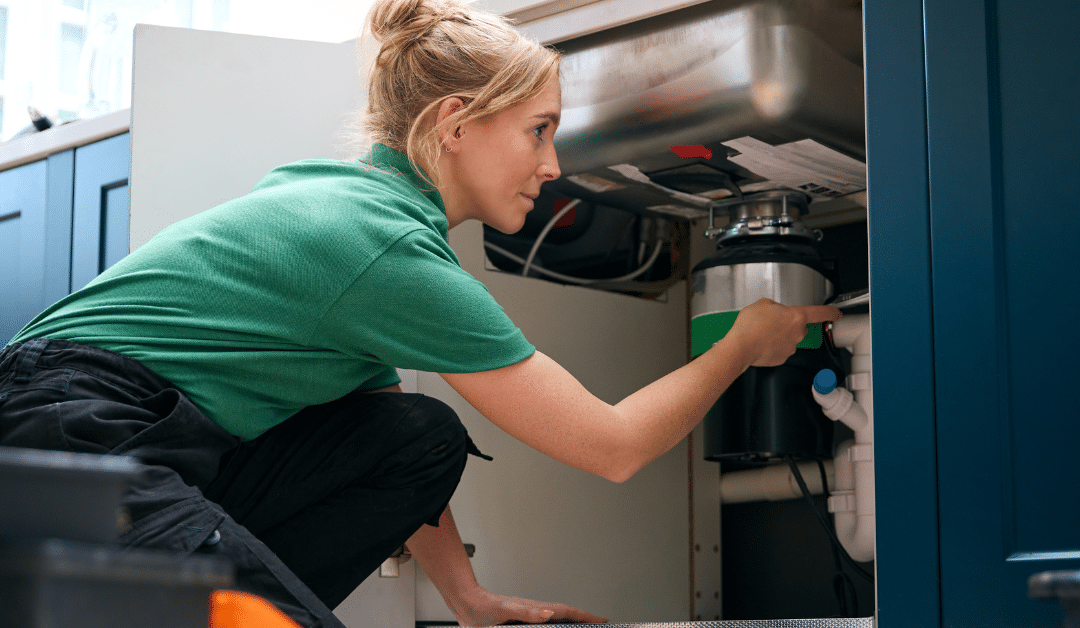
A garbage disposal is one of those kitchen appliances you may not think much about until it suddenly stops working. One minute you’re cleaning up after dinner, and the next, you flip the switch and nothing happens. If your garbage disposal won’t turn on, there are several possible explanations, ranging from a temporary interruption to an internal problem that requires professional attention.
Because garbage disposals combine plumbing components with an electric motor, determining the source of a problem is not always as straightforward as it may seem. The disposal itself could be experiencing a mechanical issue, or another part of the kitchen’s plumbing or electrical system could be contributing to the problem.
Understanding some of the most common causes can help you recognize when something is wrong and know when it is appropriate to contact a professional. Here are seven possible reasons your disposal may suddenly stop operating.
Why a Nonworking Garbage Disposal Deserves Attention
A garbage disposal helps move food waste through your kitchen drainage system efficiently. When it stops operating, normal kitchen cleanup can quickly become inconvenient. Continuing to send food waste into a disposal that is not functioning can also contribute to drainage problems.
If your garbage disposal won’t turn on, paying attention to what happened before the problem started can provide useful information for a professional. Did the unit suddenly stop while it was running? Had it recently been making unusual sounds? Has it been draining more slowly than usual? Is the disposal completely silent?
These details can help a plumber narrow down the possible causes and determine whether the unit can be repaired or whether replacement would make more sense.
1. The Disposal Has Overheated
Garbage disposals contain motors that can generate heat during operation. If the unit has been running for an extended period or has been working harder than usual, an internal protective mechanism may stop the motor from operating.
This feature is intended to protect the motor from damage. However, repeated overheating can indicate that something else is making the disposal work harder than it should.
A disposal that frequently stops during normal use deserves professional attention. The unit may be experiencing mechanical resistance, internal wear, or another problem that is placing additional strain on its motor.
If your garbage disposal won’t turn on repeatedly after periods of use, a plumber can evaluate the appliance and determine why the problem keeps occurring rather than simply addressing the immediate symptom.
2. Something Is Jammed Inside the Disposal
Garbage disposals are designed to process appropriate amounts of food waste, but certain materials can interfere with their operation. Hard objects, fibrous foods, excessive food waste, or foreign items can prevent the internal grinding components from moving normally.
A jam may cause the disposal to stop operating completely. In other situations, you might hear humming or another unusual sound when the switch is activated.
Repeatedly attempting to operate a jammed disposal can place unnecessary strain on the motor. Because the disposal contains sharp components and is connected to electricity, internal problems should be handled carefully and professionally when service is required.
If a garbage disposal won’t turn on after something unusual entered the drain, tell your plumber what happened. That information can help with diagnosing the problem and determining whether the disposal has experienced any additional damage.
3. There Is a Problem With the Power Supply
Sometimes the disposal itself is not the source of the problem. A garbage disposal depends on a reliable electrical connection to operate, so an interruption somewhere in that connection can leave the unit completely unresponsive.
This can be particularly confusing when the disposal was operating normally only moments earlier. A professional may need to determine whether the problem originates with the appliance, its connection, or another component supplying power to the unit.
Electrical concerns should always be treated seriously. Garbage disposals operate in an area where electricity and water are both present, making proper diagnosis especially important.
When a garbage disposal won’t turn on and makes absolutely no noise, the power supply is one of several areas that may need to be evaluated before assuming the disposal itself has failed.
4. The Motor Is Beginning to Fail
Like other motorized appliances, garbage disposals have a limited service life. Years of regular use can eventually wear down internal components and reduce the motor’s ability to operate reliably.
Motor problems do not always happen suddenly. You may notice signs of declining performance beforehand, such as unusual noises, slower grinding, frequent interruptions, or difficulty processing the same types of food waste the disposal previously handled without trouble.
Eventually, the motor may stop operating altogether.
If the disposal is relatively new, repair may be possible depending on the problem. If the unit is older and has experienced multiple issues, replacement may provide better long-term value. A professional plumber can evaluate its condition and explain the available options.
When an older garbage disposal won’t turn on, considering its age and repair history can help determine the most practical next step.
5. Internal Components Have Worn Out
The motor is not the only component that can deteriorate. A garbage disposal contains several parts that work together every time the appliance is activated.
Normal wear occurs gradually over hundreds or thousands of uses. Eventually, internal components can become damaged, corroded, loose, or less effective than they once were.
One sign of internal wear is a noticeable change in how the disposal sounds or performs. Grinding may become louder, vibration may increase, or the appliance may operate inconsistently before eventually stopping.
These changes are worth addressing before complete failure occurs. Professional evaluation can determine whether an individual component is responsible or whether the overall condition of the appliance makes replacement the better choice.
If your garbage disposal won’t turn on and you previously noticed changes in its performance, those earlier symptoms may provide an important clue about what has failed.
6. A Leak Has Affected the Disposal or Its Connections
Leaks around a garbage disposal should never be ignored. Water can escape from several areas around the sink and disposal assembly, including plumbing connections, seals, or nearby components.
Sometimes a leak is obvious because water collects beneath the sink. Other leaks are small enough that homeowners initially notice only dampness, staining, odors, or deterioration inside the cabinet.
Moisture around a motorized appliance creates an additional reason for prompt professional attention. A plumber can determine where the water is coming from and whether the disposal itself or another plumbing connection is responsible.
If a garbage disposal won’t turn on and you also notice moisture beneath the sink, avoid assuming the two issues are unrelated. A thorough inspection can identify whether there is a connection between them and what repairs are appropriate.
7. The Garbage Disposal Has Reached the End of Its Useful Life
Sometimes there is no single unusual event responsible for a disposal failure. The appliance may simply have reached a point where normal wear has taken its toll.
Garbage disposals work in a demanding environment. They regularly handle food particles, water, changing temperatures, and repeated motor operation. Eventually, even a properly used disposal can wear out.
An older unit may begin showing several warning signs at once. It might become louder, clog more frequently, operate inconsistently, develop leaks, or struggle to process food waste efficiently.
If an aging garbage disposal won’t turn on, replacing it may make more sense than continuing to repair recurring problems. A plumber can consider the age, condition, previous repairs, and overall performance of the appliance before making a recommendation.
A new disposal can provide quieter operation, reliable performance, and features better suited to the needs of your household.
Pay Attention to Changes Before Complete Failure
A disposal does not always stop working without warning. Small changes in performance can indicate that the appliance is beginning to experience problems.
Unusual grinding sounds, increased vibration, persistent odors, recurring clogs, slower performance, leaks, and inconsistent operation are all worth noticing. While an occasional issue does not necessarily mean the disposal needs replacement, repeated problems deserve evaluation.
Having developing issues inspected can sometimes allow a smaller problem to be addressed before it leads to complete appliance failure.
It can also help protect the rest of your kitchen plumbing. Your disposal works directly with the sink’s drainage system, so problems with one component can sometimes affect how the entire area functions.
Repair or Replace the Garbage Disposal?
Homeowners often wonder whether a disposal that has stopped working should be repaired or replaced. There is no single answer that applies to every situation.
A newer appliance with an isolated problem may be a good candidate for repair. An older disposal with significant internal wear, repeated problems, corrosion, or leaks may be better suited for replacement.
The frequency of previous service is another consideration. If you’ve already repaired the same disposal several times, continuing to invest in an aging unit may not provide the best long-term value.
A professional plumber can determine why the garbage disposal won’t turn on and assess the overall condition of the appliance. This allows you to make a decision based on the actual problem instead of replacing a disposal that may still have years of useful service remaining.
The Importance of Professional Diagnosis
Garbage disposal problems can involve more than one system. The appliance connects to your sink and drain plumbing while also relying on electricity to operate. That combination makes accurate diagnosis particularly important.
A plumber can inspect the disposal and surrounding plumbing for signs of jams, leaks, deterioration, damaged connections, and other issues. If the problem appears to involve the electrical supply rather than the plumbing or appliance itself, appropriate electrical service may also be recommended.
Professional diagnosis is especially valuable when symptoms overlap. For example, a disposal that stops working after struggling to drain could have a different underlying problem than one that suddenly becomes completely silent.
Rather than guessing why the garbage disposal won’t turn on, having the system evaluated can help identify the actual cause and the appropriate solution.
Protecting Your Garbage Disposal Going Forward
Once your disposal is operating properly again, thoughtful everyday use can help support its long-term performance. Garbage disposals are convenient, but they are not designed to handle every type of kitchen waste.
Being mindful of what enters the disposal can reduce unnecessary strain on internal components. Paying attention to changes in sound and performance is also helpful. A disposal that suddenly behaves differently is often giving you an early indication that something needs attention.
Routine plumbing maintenance can provide another opportunity to identify developing concerns around the kitchen sink, drains, connections, and disposal before they become more disruptive.
When to Contact Capital Plumbing
A nonworking garbage disposal can interfere with everyday kitchen cleanup and may occasionally point to a larger plumbing concern. If your garbage disposal won’t turn on, makes unusual noises, leaks, repeatedly stops operating, or has experienced declining performance, professional service can help determine what is happening.
Capital Plumbing can evaluate your garbage disposal and the surrounding plumbing to identify the source of the problem. Depending on the condition of the appliance, repair or replacement may be recommended to restore reliable operation.
Having the problem professionally diagnosed also provides an opportunity to make sure the connected plumbing is functioning correctly and that another issue is not contributing to the disposal failure.
Final Thoughts
There are many possible explanations when a garbage disposal suddenly stops working. Overheating, jams, power interruptions, motor problems, worn internal components, leaks, and normal aging can all affect whether the appliance operates correctly.
The symptoms surrounding the failure can provide important clues, but similar problems can have different causes. If your garbage disposal won’t turn on, professional evaluation can help determine exactly what has happened and whether repair or replacement offers the best solution.
Addressing disposal problems promptly can restore convenience to your kitchen, reduce the risk of additional plumbing concerns, and help keep your sink and drainage system working as they should.
Ready to schedule service or ask a question? Reach out to us at Capital Plumbing! Stay up to date with Capital Plumbing by following us on Facebook.